
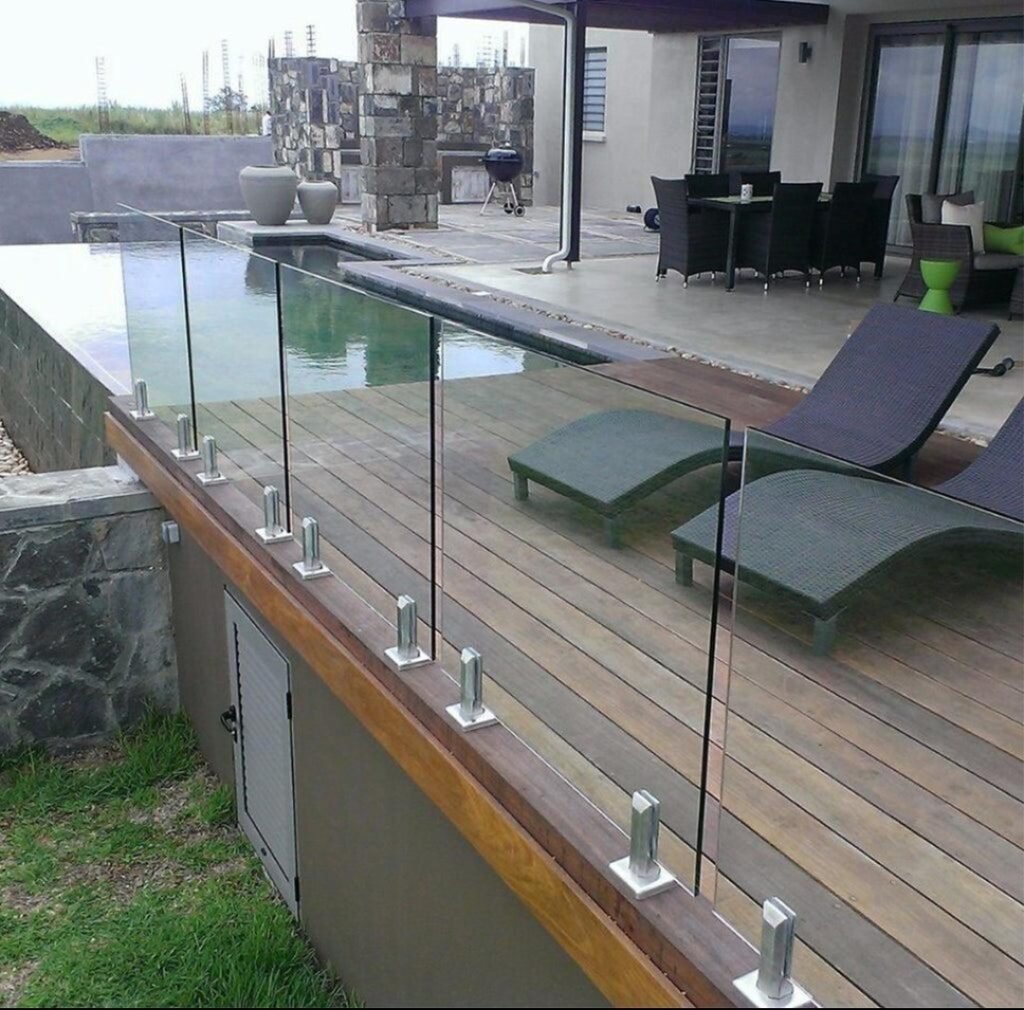
Discover how glass railings improve safety, maximize views, and add modern value to your home.
You’ve just finished designing your new home. Clean lines. Open spaces. A modern feel. Now you’re choosing the railing system—and suddenly you’re faced with options: stainless steel, cable, aluminum, and glass railings.
Glass railings stand out. They look premium. Minimal. Almost invisible.
But you hesitate.
- Is it strong enough?
- Is it worth the cost?
- Will it last?
- Is it hard to maintain?
This guide answers those questions clearly, so you can make a confident decision.
What Is a Glass Railing System?
A glass railing system uses tempered or laminated safety glass panels as the main barrier instead of traditional bars or cables.
Common configurations:
- Frameless glass (fully open, premium look)
- Glass with stainless steel posts
- Glass with top rail support
The Real Value of Glass Railings
1. Unmatched Visibility and Open Space
Glass railings do not block your view.
- Perfect for ocean views, hills, or landscaped yards
- Makes small spaces feel larger
- Maximizes natural light inside and outside
Result: Your home feels bigger, brighter, and more valuable.
2. Premium, High-End Appearance
Glass railings instantly elevate the look of your home.
They signal:
- Modern design
- Clean engineering
- High investment quality
Reality: Homes with glass systems often command higher resale value because of their visual impact.
3. Stronger Than Most People Expect
This is the biggest misconception.
Glass railings are built using:
- Tempered glass (4–5x stronger than regular glass)
- Laminated layers (holds together even if cracked)
They are engineered to:
- Handle impact
- Resist wind loads (important for coastal areas like St. Lucia)
- Meet building safety standards
Bottom line: They are not fragile—they are engineered structural components.
4. Low Maintenance Compared to Metal Systems
Metal railings:
- Rust (especially near the sea)
- Require repainting or polishing
Glass railings:
- Do not rust or corrode
- Only require cleaning (like windows)
Maintenance routine:
- Quick wipe with glass cleaner
- Occasional rinse for outdoor systems
Result: Less long-term maintenance cost and effort.
5. Ideal for Coastal Environments
In coastal regions, salt air destroys traditional materials.
Glass performs better because:
- No rust
- No corrosion
- No paint failure
When paired with 316 stainless steel hardware, the system becomes extremely durable in marine environments.
6. Safety Without Sacrificing Design
Glass railings are actually safer in many cases:
- No climbable gaps (important for children)
- Solid barrier against falls
- Smooth surface (no sharp edges or protrusions)
Laminated glass adds another layer of safety:
- Even if damaged, it stays in place
7. Long-Term Cost Efficiency
Initial cost may be higher than basic metal railings.
But long-term:
- Less maintenance
- No repainting
- Longer lifespan
- Higher property value
Conclusion: Glass railings are not an expense—they are an investment in property value and durability.
Common Concerns
“Will it break easily?”
No. It’s engineered safety glass designed for impact and structural use.
“Is it hard to clean?”
No. Same as cleaning windows. Quick and simple.
“Does it get scratched?”
Possible, but with proper care and quality glass, scratches are minimal.
“Is it too expensive?”
Upfront—yes, higher than basic railings.
Overall—often cheaper long-term due to low maintenance and durability.
When Glass Railings Make the Most Sense
Choose glass railings if:
- You want a modern, high-end finish
- You have a view worth preserving
- Your home is in a coastal or humid environment
- You prefer low maintenance systems
- You are building for long-term value, not short-term savings
Final Decision
If your goal is:
- Clean design
- Long-term durability
- Increased property value
- Minimal maintenance
Then glass railing is one of the strongest choices you can make for your home.
Next Step
If you’re planning a build and want a clear idea of cost and options, the smartest move is to evaluate your layout early.
Measure:
- Total railing length
- Installation areas (stairs, balcony, deck)
- Mounting surface (concrete, wood, steel)
Then move into a structured estimate before fabrication or ordering.
Ready to see what your project could cost?
Use a professional estimator or request a site assessment to:
- Avoid underbudgeting
- Choose the right system
- Ensure proper installation from the start
A well-planned railing system doesn’t just protect your home—it defines it.
