
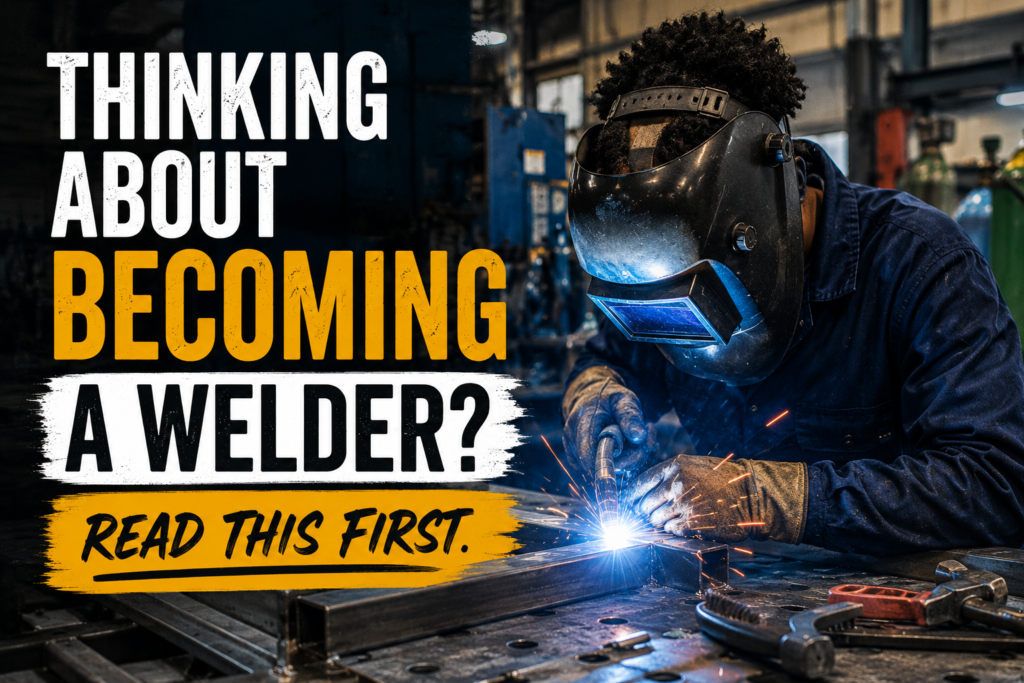
Every year, thousands of people become interested in becoming a welder for different reasons. Some are attracted to the creativity of fabrication. Others enjoy working with their hands instead of sitting behind a desk all day. Some see welding videos online and become fascinated by the sparks, the equipment, and the ability to build real things from raw metal.
For many beginners, welding feels exciting because it looks powerful, technical, and rewarding at the same time.
And honestly, it is.
But before entering the welding industry, there are some important things every beginner should understand clearly.
Not because the industry is bad.
But because welding is real work, and understanding the reality of the trade helps people enter the industry with the right mindset from the beginning.
One of the biggest misconceptions about welding is that people think welding is simply about running a bead or melting metal together. Social media often shows the most exciting parts of the trade. Perfect welds. Stainless steel railings. Sparks flying in slow motion. Massive structures being assembled. Skilled fabricators making difficult work look easy.
What people usually do not see is everything happening around the welding itself.
The measuring.
The grinding.
The fitting.
The cleaning.
The frustration of trying to align steel perfectly.
The repeated adjustments.
The long hours spent preparing material before a single weld is even made.
In real fabrication work, welding itself may only represent a small part of the overall process. A project that takes eight hours to complete might involve only one or two hours of actual welding. The rest of the time can be spent measuring, cutting, fitting, moving material, preparing surfaces, and solving unexpected problems.
That surprises many beginners when they first enter a workshop.
The welding industry also requires patience. Steel does not always cooperate the way people expect. Material can warp from heat. Measurements can shift slightly. A small mistake made at the beginning of a project can create major problems later. A piece of steel cut too short cannot simply be stretched longer again.
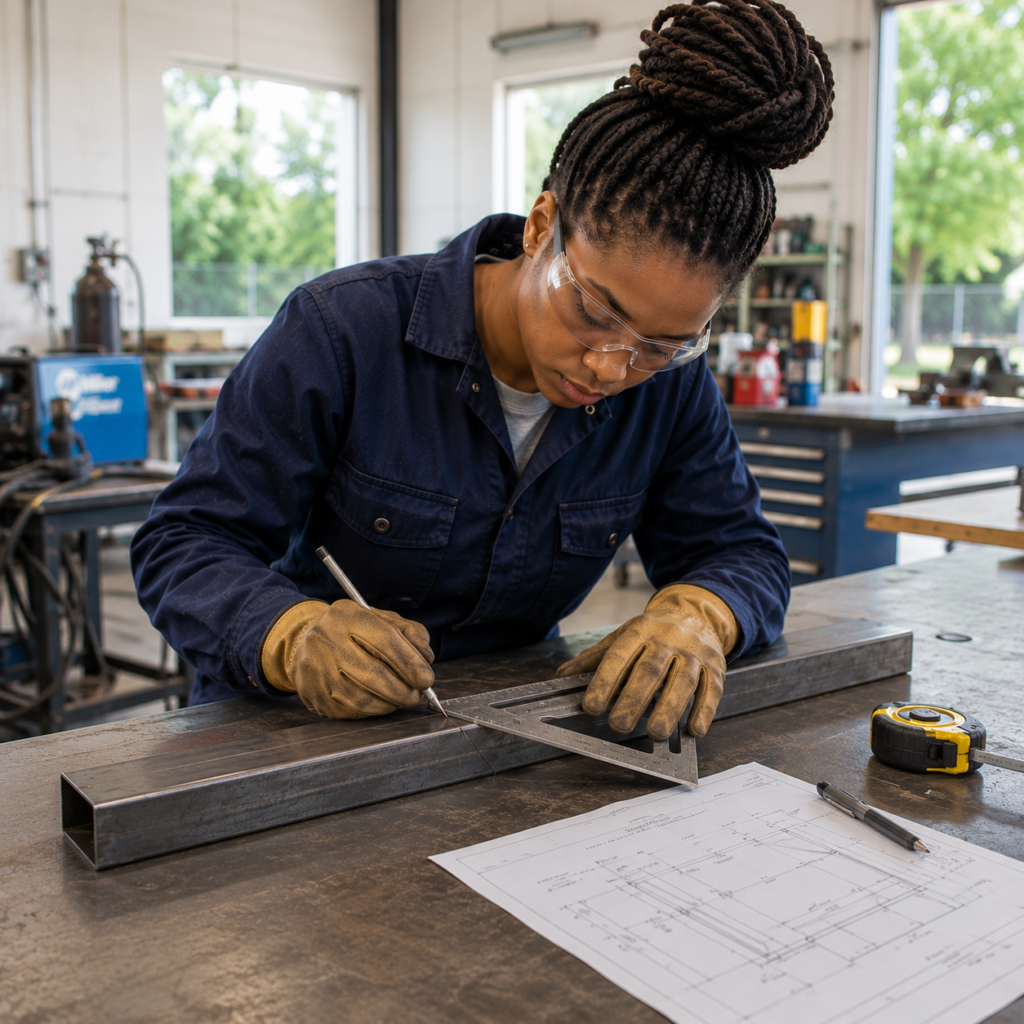
That is why experienced welders and fabricators become extremely careful with measurements and preparation.
Over time, beginners realize that welding is not only about joining metal together. It is really about problem solving.
The physical side of the industry is another thing many beginners underestimate.
Welding is not soft work.
Some days involve standing for long hours in heat. Some days involve lifting heavy material repeatedly. Some jobs take place outdoors under the sun. Grinding dust covers your clothes. Sparks burn small holes into your sleeves. Your gloves become stiff from heat and metal dust. At the end of the day, your body may feel exhausted.
And yet, despite all of this, many welders genuinely love the trade.
Why?
Because there is something deeply satisfying about building something real.
At the end of the day, you can physically see the results of your effort. A repaired machine. A fabricated gate. A staircase. A stainless steel railing. A structural frame. Something that did not exist before now exists because of your skill, your decisions, and your effort.
That feeling creates pride.
For many people, welding also changes the way they think. Beginners often enter the industry focused only on learning how to weld, but experienced fabricators eventually begin seeing entire systems instead of individual tasks. They begin understanding structure, efficiency, tolerances, materials, machinery, production flow, and problem-solving at a much deeper level.
That is why welding can eventually lead into many other areas such as fabrication, pipe welding, CNC plasma cutting, robotic welding, heavy equipment repair, inspection, project management, stainless steel fabrication, or even business ownership.
The trade can grow far beyond the welding machine itself.
Another important thing beginners should understand is that nobody starts off skilled.
Every experienced welder once struggled to hold a steady bead.
Every fabricator has mismeasured material before.
Every tradesman has made mistakes.
Many beginners become discouraged because their first welds look rough or uneven, but welding is a skill developed through repetition and consistency. Improvement happens gradually. Over time, hand movements become more controlled. Measurements become more accurate. You begin understanding how heat affects metal. You begin solving problems faster. The things that once felt difficult slowly become natural.
That process takes time.
And that is completely normal.
Safety is another major part of the welding industry that beginners should never ignore. Welding environments contain intense heat, ultraviolet light, sparks, grinding debris, sharp metal edges, loud equipment, and airborne particles. Proper PPE is essential from the very beginning.
A welding helmet protects your eyes and face from arc flash and sparks. Safety glasses are important even when you are not welding because grinding debris can travel unexpectedly. Gloves protect your hands from heat and sharp edges. Steel-toe boots protect your feet from falling material. Ear protection helps reduce long-term hearing damage from grinders and cutting equipment.
Many beginners underestimate PPE until they experience their first burn, metal splinter, or grinding spark to the eye.
For anyone preparing to enter the welding industry, these are some important beginner items to consider purchasing.
Before starting welding training, having the right PPE and basic tools can make the learning process safer, easier, and more professional from day one. Below are a few beginner essentials commonly used in welding and fabrication shops.
Welding Helmet
A quality welding helmet protects your eyes and face from sparks, heat, and harmful UV light while helping you see your weld puddle more clearly.

- 【FASTER AUTO-DARKENING】Features high-end auto-darkening lenses with 4 premium arc sensors, switching from light to dark …
- 【LARGER & CLEARER SCREEN】Viewing Size 3.86″ x 1.69″. The welding helmet featuring a 1/1/1/1 optical clarity lens and adv…
- 【200% LONGER SERVICE LIFE】Powered by solar cells and replaceable CR2450 lithium batteries, it supports longer working ti…
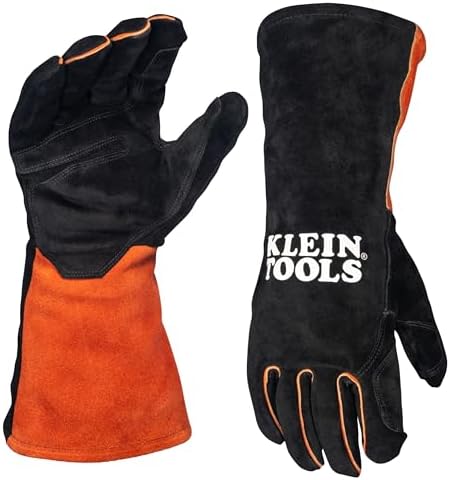
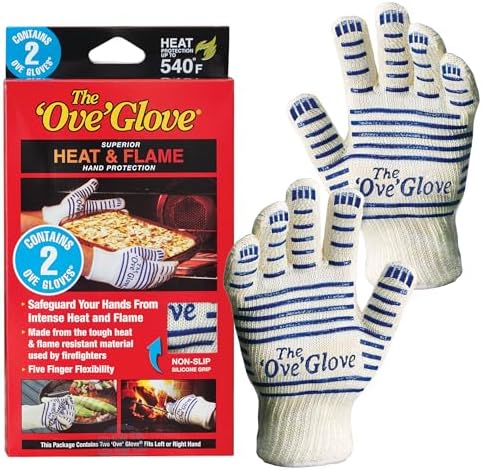
Welding Gloves
Good welding gloves protect your hands from heat, sharp metal edges, sparks, and grinding debris while still allowing movement and control.
Safety Glasses
Even when you are not welding, safety glasses are extremely important. Grinding sparks and metal particles can travel quickly and unexpectedly around the workshop.

- 28 PACK CRYSTAL SET – The 28 Pairs Glasses are Individually Packaged in the Box.
- IMPACT & SCRATCH RESISTANT LENS – Our Safety Glasses are Made of Polycarbonate, So the Lens are Durable and Clear. Due t…
- VIGOROUS STANDARD PROTECTION – Our Ptcol Eyewear Have Been a Number of Certifications, US ANSI Z87.1 EU CE EN166 and UV …
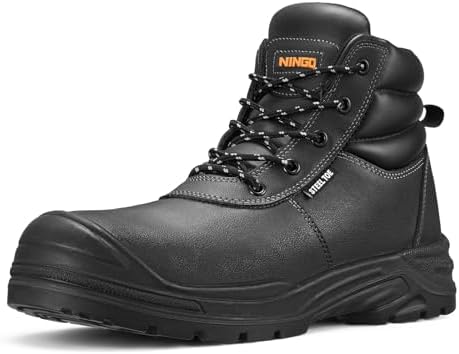
Steel Toe Boots
Steel toe boots help protect your feet from heavy material, falling tools, sparks, and sharp metal offcuts commonly found in fabrication environments.


Ear Protection
Grinding, cutting, and fabrication equipment can become extremely loud over time. Proper ear protection helps reduce long-term hearing damage.

- Affordable Packed: You will get 55 pairs of independent package silicone ear plugs with cord, each pair is sealed in its…
- Effective Noise Reduction: Our corded ear plugs are designed to provide effective noise reduction. They can reduce the n…
- Widely Applicable: It is good ear plugs for sleeping noise cancelling, snoring blocking, swimming, concerts, studying an…
Measuring Tape & Combination Square
Measurement and layout work are a major part of fabrication. These simple tools quickly become everyday essentials in almost every welding shop.
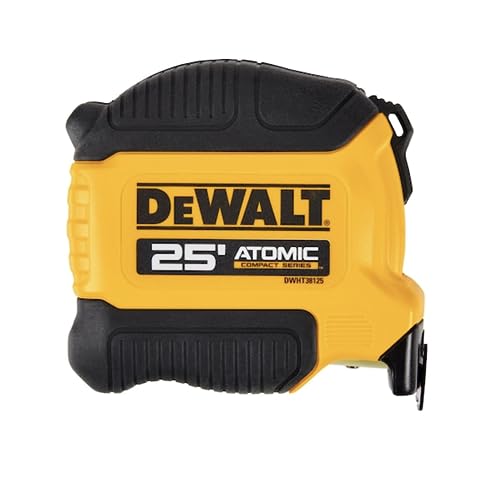
- 13 Ft. Max Reach* – Straighter and stronger for improved efficiency
- 20% More Compact Grip** – For improved ergonomics and control
- Integrated Finger Brake – For improved blade control

- Black precision-etched scales
- Durable cast zinc body
- Rust proof stainless steel blade
Amazon Affiliate Disclaimer
As an Amazon Associate, Progressive Welding Solutions may earn from qualifying purchases made through affiliate links. This comes at no additional cost to you and helps support our educational content, welding guides, and training resources.
One of the smartest things a beginner can do before fully entering the industry is spend time inside a real fabrication environment. Observe how experienced welders work. Pay attention to how projects are organized. Watch how materials are measured and fitted. Understand the pace of real production work.
Welding may absolutely become the correct path for you.
But it is important to understand the reality of the trade instead of only the social media version of it.
The welding and fabrication industry in Saint Lucia still has significant room for growth. Modern fabrication systems, stainless steel architectural work, structural steel fabrication, CNC systems, industrial maintenance, and heavy equipment repair continue to create opportunities for people willing to learn valuable skills and take pride in quality work.
The industry is also evolving rapidly. Modern workshops now involve CNC plasma systems, laser welding, digital measuring tools, robotic systems, and advanced fabrication equipment. Someone entering the trade today has access to opportunities that did not exist decades ago.
But regardless of how advanced technology becomes, one thing remains true.
The industry continues to reward people who are disciplined, patient, reliable, and willing to improve continuously.
Welding is not for everyone.
But for the right person, it can become more than just a job.
It can become a lifelong skill, a career, a business, and a source of pride that allows you to build real things with your own hands.
If you are considering becoming a welder, take time to understand both the rewards and responsibilities that come with the trade.
The sparks are only the beginning.
To learn more about welding, fabrication, and modern welding systems in Saint Lucia, visit:
